
Last Updated on 11/09/2026 by Louise
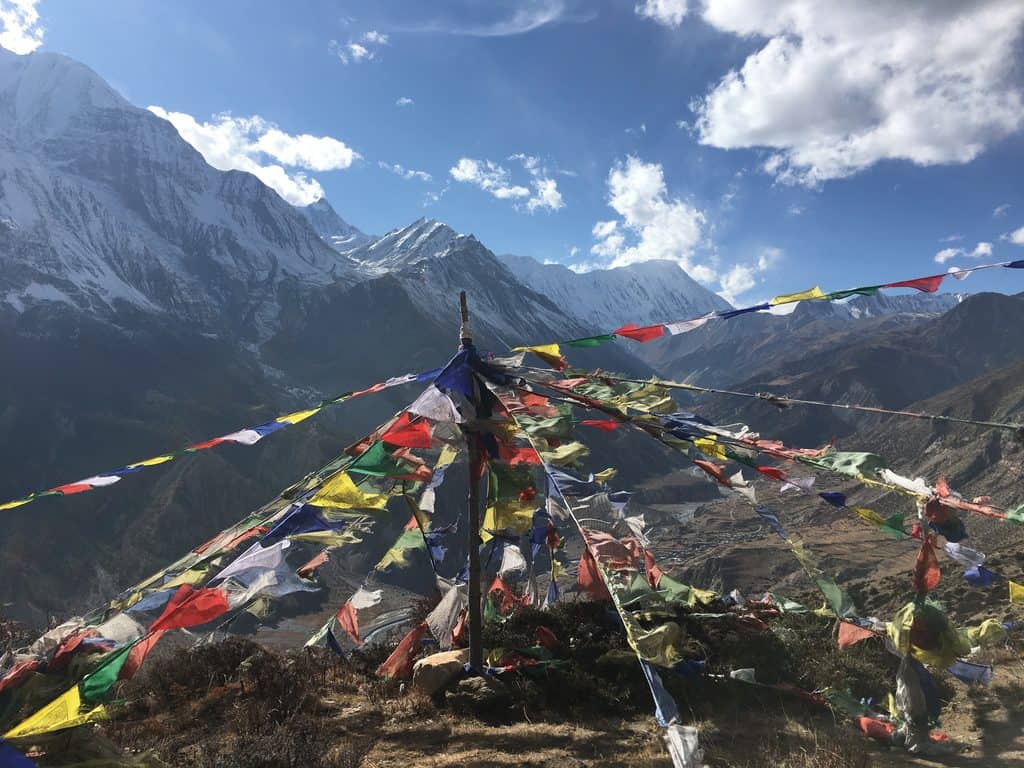
The Annapurna Circuit is one of the world’s most legendary treks, offering a jaw-dropping journey through Nepal’s diverse landscapes—from subtropical forests and terraced farmland to alpine valleys and arid high mountain plateaus. Known for its incredible views, cultural encounters, and the thrill of crossing Thorong La Pass (5,416m / 17,769 ft), the Annapurna Circuit is both a physical challenge and a life-changing experience.
Hiking the Annapurna Circuit is one of the best things we’ve ever done and we want everyone to enjoy it as much as we did. So, to give you a help in hand, here’s everything you need to know for planning a successful Annapurna Circuit trek.
Disclaimer: Some links in this article are affiliate links, which means that if you purchase through them I receive a small commission, at no extra cost or price difference to you. This helps cover the cost of running this blog and keeps all resources free to access 🙂
Trek Overview
- Region: Annapurna Conservation Area, Nepal
- Distance: ~160–230 km (100–145 miles), depending on your start/end points
- Duration: 12 to 21 days
- Highest Point: Thorong La Pass (5,416 m / 17,769 ft)
- Difficulty: Moderate to challenging
- Permits: TIMS card and ACAP permit required
- Best Time to Go:
- Spring: March to May (rhododendrons bloom)
- Autumn: September to November (clear skies, stable weather)
Itinerary at a Glance
The classic Annapurna Circuit used to be 21+ days long, but with road access on both sides of the circuit, many trekkers now customize it based on time and interest.
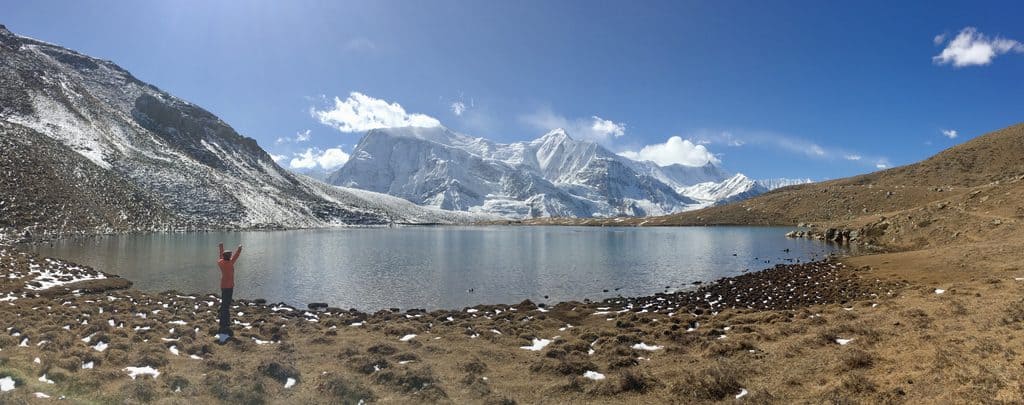
When Nick and I completed this trek we took 24 days but bolted on a side hike to the Ice Lake, a side hike to Dhaulagiri Glacier and a 3 day trek to Annapurna Base Camp (including Poon Hill). We also took an acclimatisation day in Manang. We’re average paced hikers and because we had the flexibility, some days we just did half a day if we liked the look of a particular teahouse.
Here’s a popular 15-day itinerary (which can be extended or shortened):
Day-by-Day Outline
| Day | Route | Altitude (m) |
|---|---|---|
| 1 | Besisahar to Dharapani | 1,960 |
| 2 | Dharapani to Chame | 2,710 |
| 3 | Chame to Pisang | 3,300 |
| 4 | Pisang to Manang | 3,540 |
| 5 | Acclimatization in Manang | 3,540 |
| 6 | Manang to Yak Kharka | 4,050 |
| 7 | Yak Kharka to Thorong Phedi | 4,450 |
| 8 | Thorong Phedi to Muktinath (via Thorong La Pass) | 5,416 → 3,760 |
| 9 | Muktinath to Marpha | 2,670 |
| 10 | Marpha to Tatopani (via Jeep/Bus) | 1,190 |
| 11 | Tatopani to Ghorepani | 2,860 |
| 12 | Ghorepani to Poon Hill & Tadapani | 3,210 |
| 13 | Tadapani to Ghandruk | 2,000 |
| 14 | Ghandruk to Nayapul, then Pokhara | 1,070 |
Note: You can skip some sections via local jeeps or buses, especially lower elevation road-accessible areas.
Permits Required
You must get two permits before entering the Annapurna region:
- ACAP (Annapurna Conservation Area Permit) – NPR 3,000 (~$23 USD)
- TIMS (Trekkers’ Information Management System) – NPR 2,000 (~$15 USD)
Both can be obtained in Kathmandu or Pokhara. Bring passport photos and your passport in order to get the permits.
Accommodation & Food
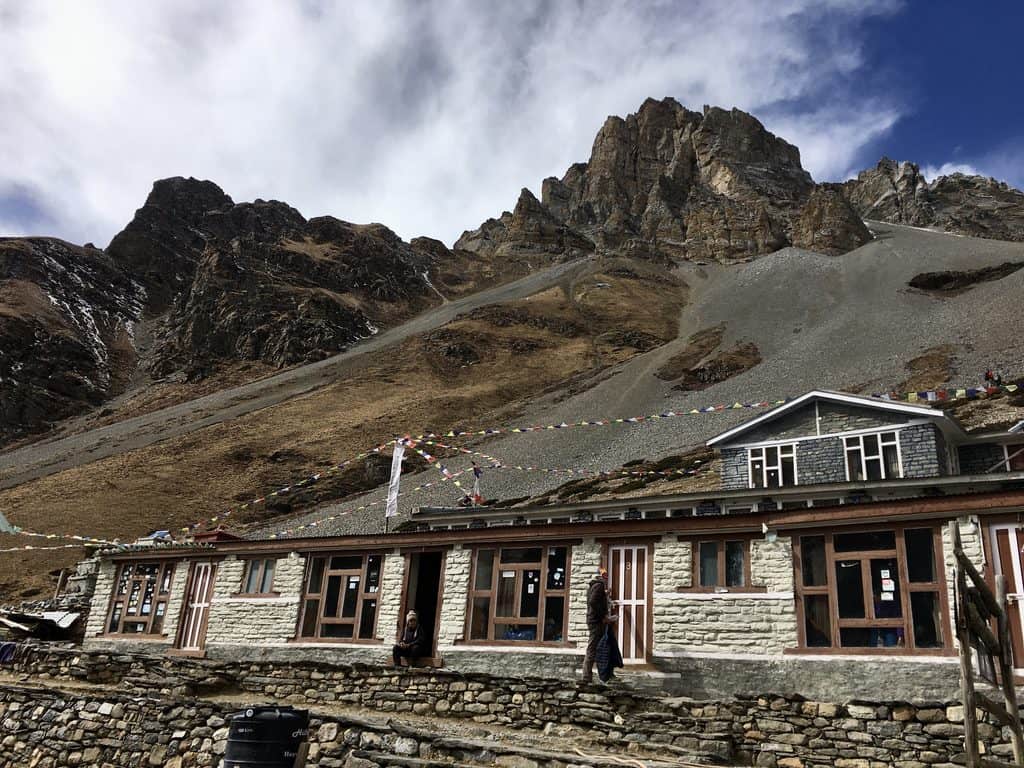
Teahouse trekking is the norm on the Annapurna Circuit. These are simple lodges offering:
- Shared or private rooms (basic bed, blanket)
- Communal dining area with food menu
- Electricity (often for a small fee)
- Wi-Fi (limited and slow in high altitude often for a fee at altitude)
These can be booked in advance or you can take a gamble and just turn up – this works best if you arrive early in the day!
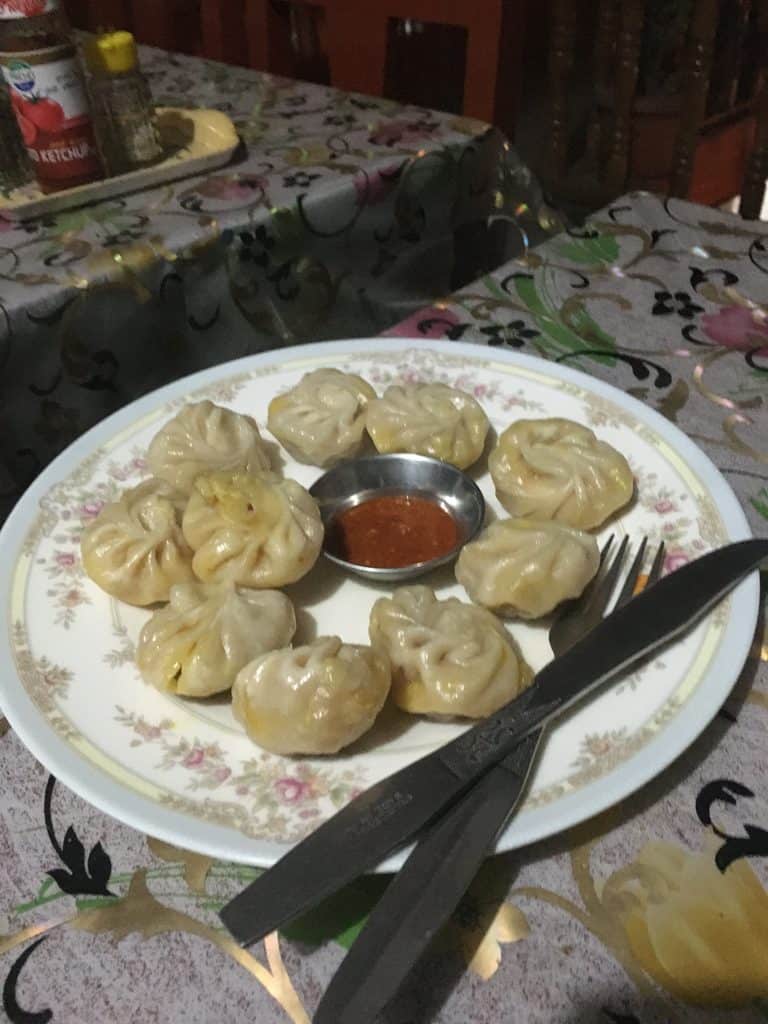
Food is simple but satisfying:
- Dal Bhat (lentils, rice, veg) – the staple. You’ll come to love the phrase “Dal Bhat Power 24 hour!”
- Momos (dumplings)
- Noodles, pasta, rice, soups
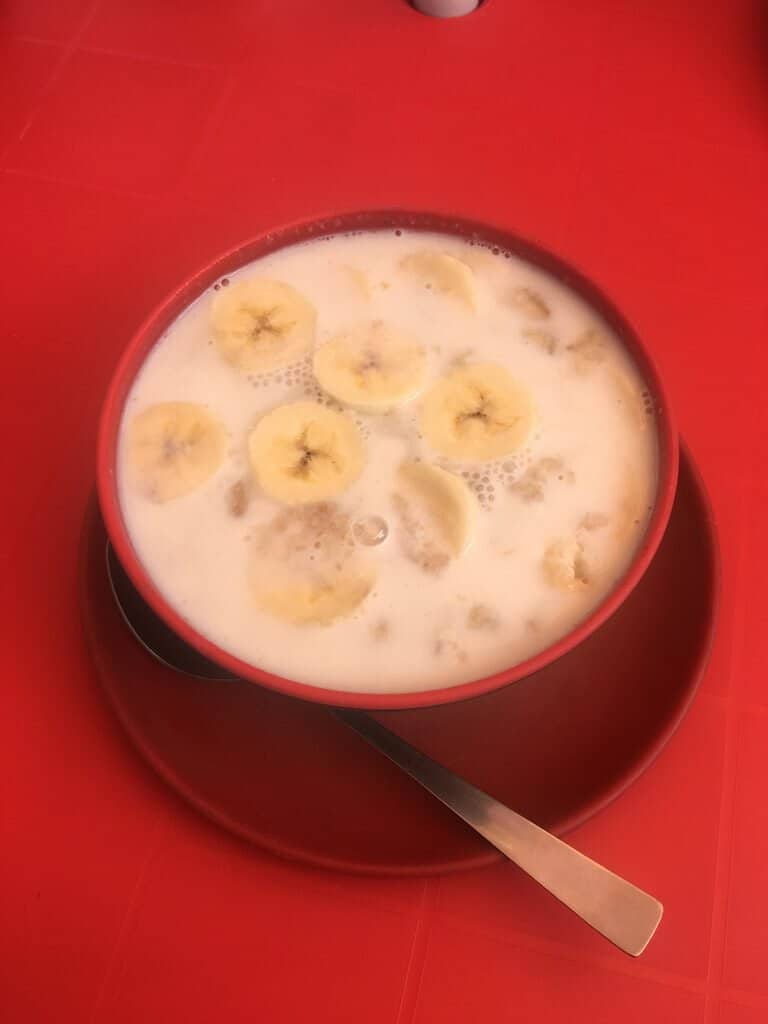
- Banana porridge
- Hot drinks: ginger tea, masala chai, lemon honey
Cost per day (estimates):
- Room: $2–$6 USD
- Meals: $15–$25 USD total
- Total daily budget: $20–$30 USD
During our hike many of the teahouses would offer free accommodation in return for buying dinner and breakfast.
What to Pack
Essentials
- Backpack (40–60L) + daypack
- Sleeping bag (rated to -10°C / 14°F)
- Down jacket/Rain jacket/Poncho
- Thermal base layers
- Fleece and waterproof shell
- Trekking pants + shorts
- Hat, gloves, sunglasses
- Trekking boots + camp shoes
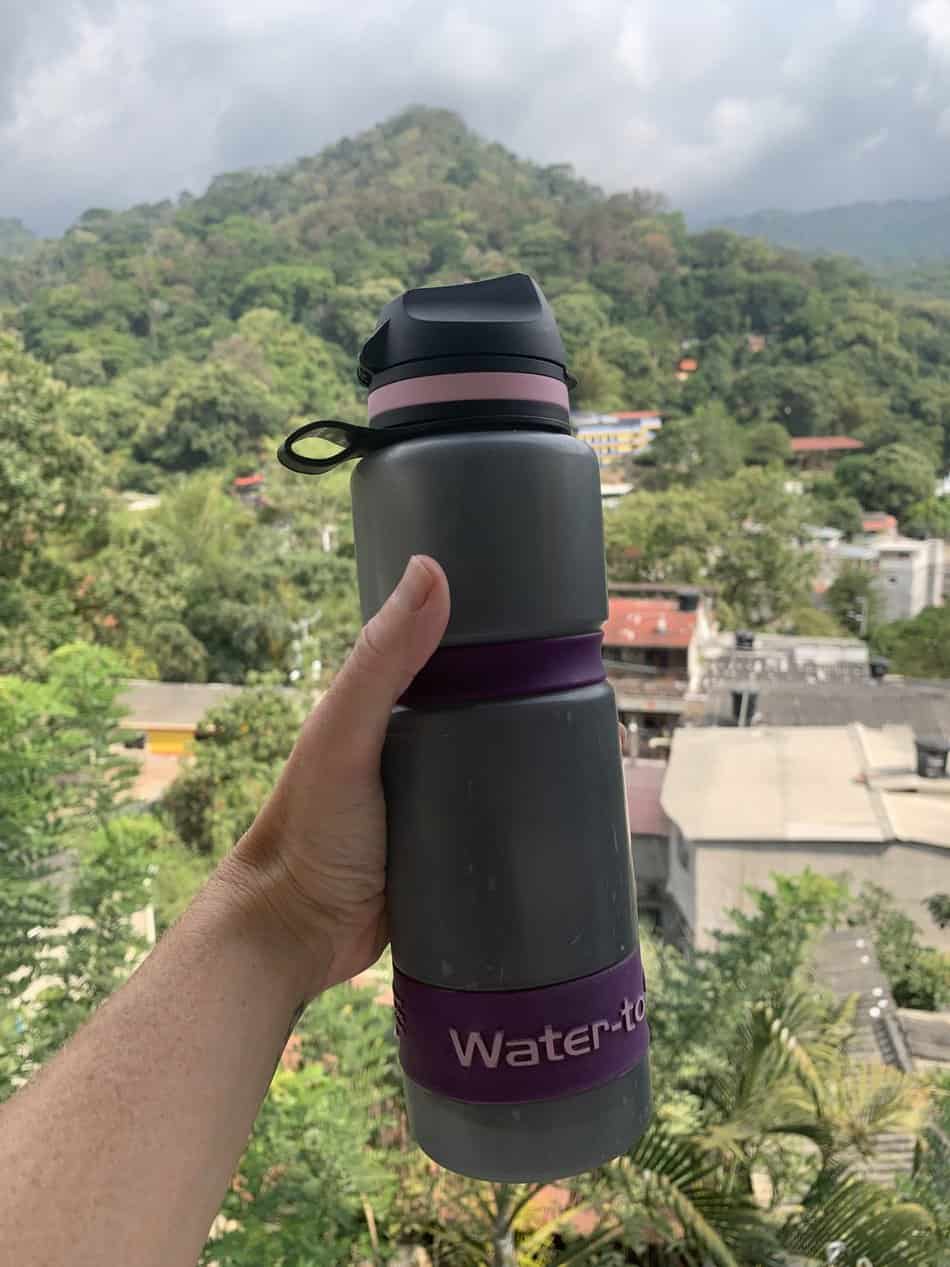
- Water bottles + purification tablets, or a filtering water bottle
- Headlamp + extra batteries
- Basic toiletries & quick-dry towel
- Sunscreen
- Cash (ATMs not available after Chame)
- First aid kit
Recommended Extras
- Trekking poles – poles were a life saver for our knees on the descents
- Snacks (nuts, bars, dried fruits) – most food can be bought along the way but good to have emergency snacks
- Altitude medication (Diamox) – we took this one night but found the side affects too harsh so opted to go without
- Power banks
- Toilet paper
- Camera
For a complete Annapurna packing list see this post
Get 15% off WTG!
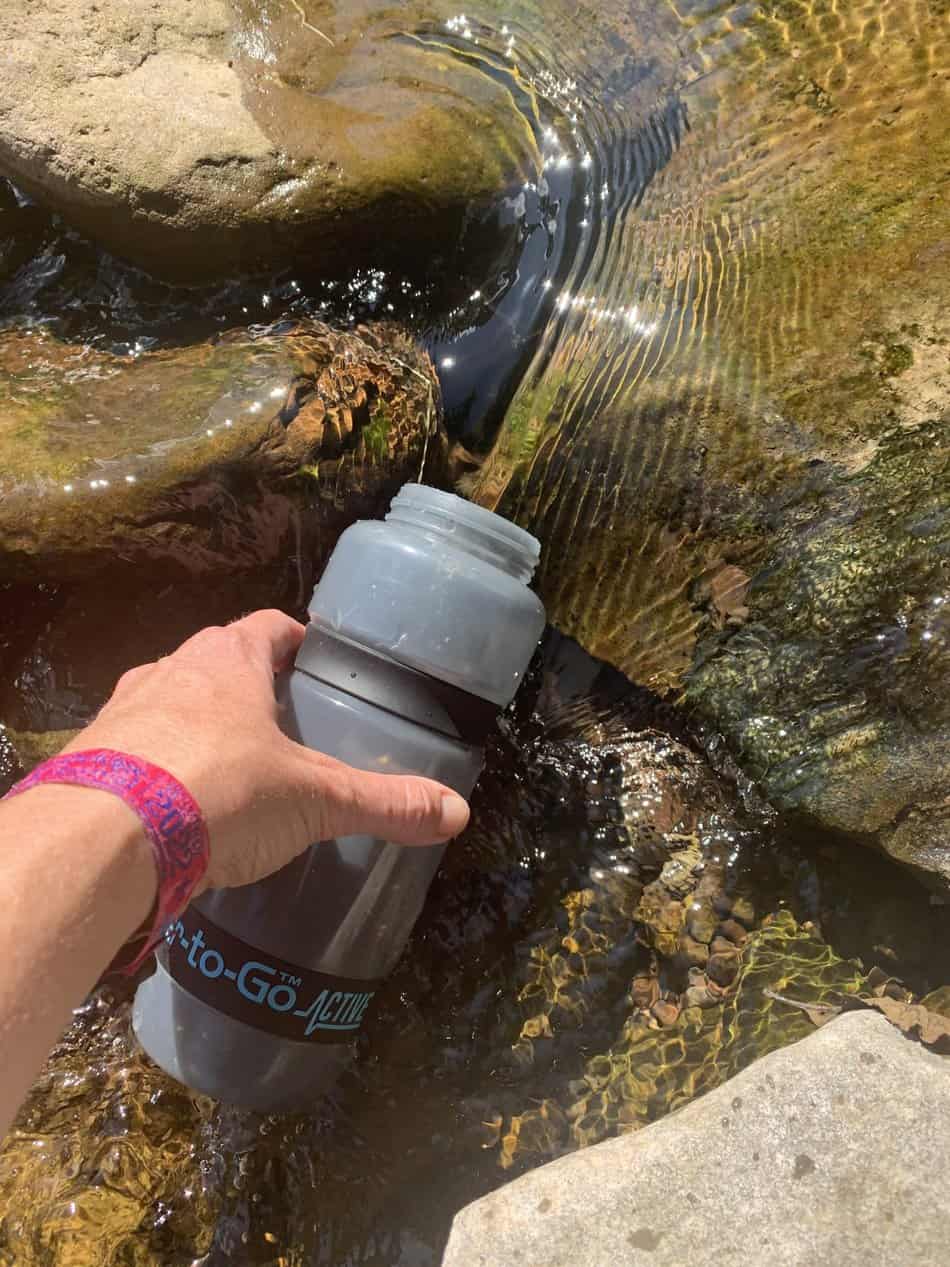
Filtering water bottles are perfect for hiking since you can use them for safely refilling in streams and rivers. I’ve secured a deal for all readers of this website with a company that make the perfect filtering water bottles, Water-to-go. Simply use code WWG15 at checkout to get a 15% discount off all Water-to-go bottles and filters.
Acclimatization & Altitude Sickness
Altitude sickness is one of the biggest risks on this trek. Follow these tips to avoid getting sick:
- Go slow: Gain no more than 500m/day above 3,000m
- Rest: Take acclimatization days in Manang or before Thorong La
- Stay hydrated: Noodle soup is a good lunch option as it hydrates you as well getting fuel onboard
- Know the symptoms: headache, dizziness, nausea, trouble sleeping
- Don’t ignore signs – descend if symptoms worsen
Guided vs. Independent Trekking
Previously it was possible to trek independently on the Annapurna Circuit. In 2023, Nepal implemented new rules requiring solo foreign trekkers to hire a licensed guide for all national park areas, including Annapurna. However, enforcement varies. Check local rules before departure.
Guided treks offer safety, cultural insight and make planning much easier.
Guides cost ~$25–$35/day; porters ~$20/day.
Connectivity & Money
- Wi-Fi: Available in many teahouses but unreliable above Manang.
- SIM cards: Ncell or Nepal Telecom work sporadically.
- ATMs: Only in Besisahar, Chame (sometimes), and Jomsom.
- Cash: Bring enough Nepalese Rupees for the whole trek.
Tips for a Great Trek
- Start slow: Start low and move slow. Don’t skip acclimatization days.
- Train beforehand: Cardio and leg strength help a lot.
- Start early each day: Weather typically worsens in the afternoon so try to check the forecast if you can to be prepared.
- Be respectful: Follow local customs and ask before photographing people.
- Don’t litter: Pack out all non-biodegradable waste.
- Carry extra snacks: Prices rise with altitude.
- Take your time: The journey is just as special as the destination.
Highlights Not to Miss
- Thorong La Pass: The crown jewel, an exhilarating crossing at 5,416m. You’ll need to cross this to complete the trek so check the weather and aim to cross on a good weather day.
- Manang: Great place to acclimatize and explore the ice lake which was one of our favourite days.
- Muktinath Temple: Sacred to both Hindus and Buddhists.
- Marpha: Known for apple orchards and charming stone houses.
- Poon Hill: Offers panoramic views of the Annapurna and Dhaulagiri ranges. Join the masses and head up for sunrise.
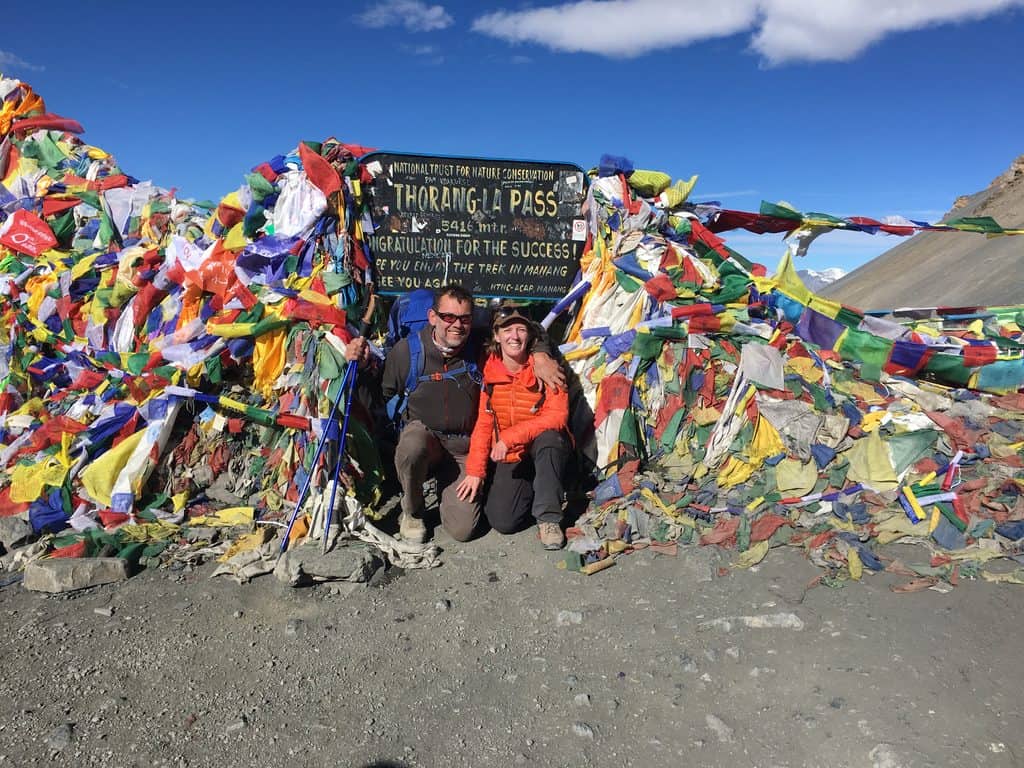
Nick & I celebrating at Thorang La Pass
Final Thoughts
The Annapurna Circuit offers one of the most diverse and rewarding trekking experiences in the world. Whether you’re chasing snow-capped peaks, soaking in hot springs, or sharing tea with a local family, every step on this circuit is unforgettable.
Prepare well, trek responsibly, and enjoy one of Nepal’s greatest adventures.
If you’d like to see some our hiking highlights, take a look at this video below.
Recent Posts
11 Best Waterfalls in South Wales (With Videos & Parking Locations): 2026 Edition
South Wales is a waterfall lover’s paradise. With ancient woodland, dramatic gorges, and mountain-fed rivers, this region boasts some of the UK’s most spectacular waterfalls. Tucked away in the...
Athens' modern-day charm might captivate many tourists, but its historic side, represented by the glorious Acropolis, is unmatched. This beautiful landmark is a powerful reminder of ancient history...